Suburban Plumbing Blog
Plumbing Articles from Orange County, CA.
9 Common Items That Cause Clogged Pipes
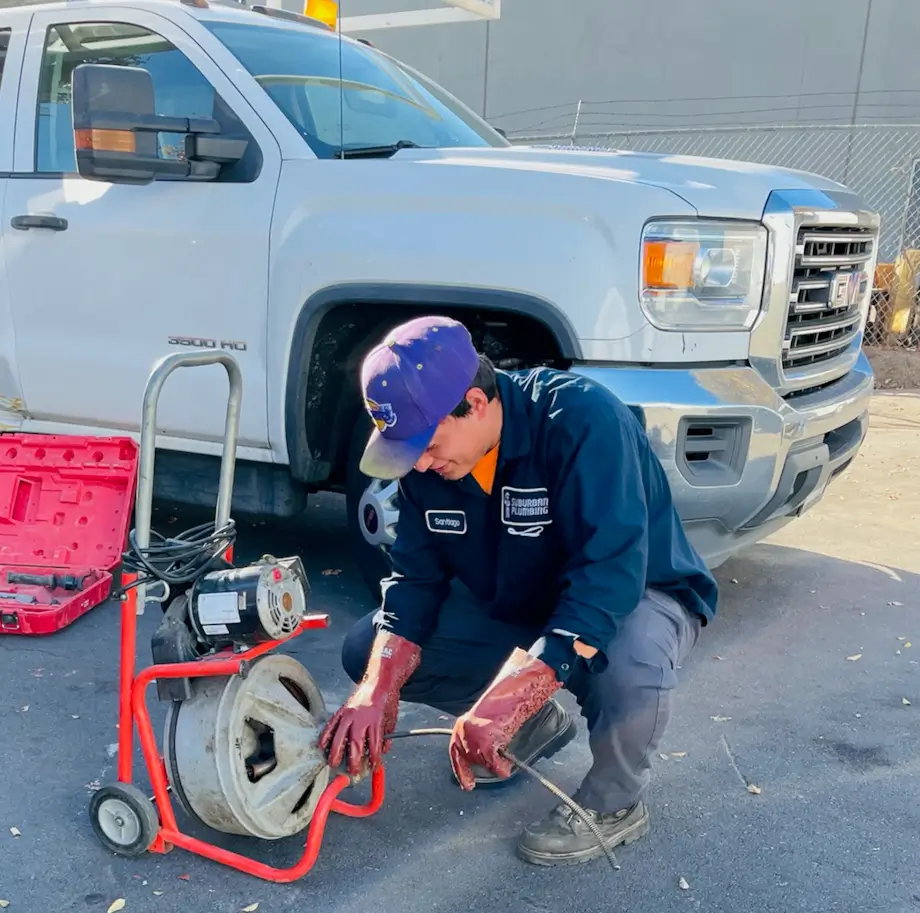
📅 Updated June 10, 2026
Article-at-a-Glance
- Most clogged pipes start with a sticky base of grease or soap scum that catches hair and food until the water slows to a crawl.
- The nine most common culprits are soap scum, hygiene products, cotton swabs, hair, cooking grease, coffee grounds, fruit and vegetable peels, eggshells, and tree roots.
- One slow fixture is usually a local clog you can clear yourself, while several clogged drains at once point to a main line problem.
- The free multi-fixture test, running a sink while you watch the toilet, tells a local clog from a main line clog in seconds.
- Skip chemical drain cleaners, which can corrode pipes and turn a simple clog into an expensive repair.
- To prevent clogged drains, use strainers on every drain, keep grease out of the sink, and flush only pee, paper, and poo.
- Professional drain cleaning in Orange County runs roughly $100 to $800, depending on where the clog sits and the method used.
Clogged pipes almost always trace back to a short list of everyday culprits: hair and soap scum in the bathroom, grease and food scraps in the kitchen, and tree roots out in the main line. A single slow drain is usually minor, and you can often clear it yourself with a plunger or a hand snake. When several fixtures back up at once, gurgle, or push water up through the lowest drain in the house, the clog sits deeper and it is time to call a plumber.
Below we break down what causes clogged pipes, a free test that tells a small clog from a serious one, how to prevent clogged drains, what to never pour down the drain, and what professional drain cleaning actually costs in Orange County.
How Clogged Pipes Actually Form
It helps to picture what is happening inside the wall. Clogged pipes rarely start with one dramatic blockage. They start with a thin, sticky base layer, usually grease or soap scum, that coats the inside of the pipe. That film is the glue. Every bit of hair, coffee ground, and food scrap that washes past gets caught on it, the opening narrows, and the water slows. Left alone, a slow drain becomes a full stop. That is why clogged drains so often seem to appear overnight when the buildup was really weeks in the making.
Understanding that pattern is the key to both clearing and preventing clogged pipes. Punch a single hole through the blockage and the sticky layer is still there, so the clog rebuilds fast. Remove the layer itself and keep it from forming again, and the problem stays gone. Everything below comes back to that one idea.
What Causes Clogged Pipes? The 9 Most Common Culprits
Nearly every clog starts with something that should never have gone down the drain. Some causes of clogged pipes are obvious and some surprise people, but they all build the same way. Here are the nine most common items that cause clogged pipes in local homes, what each one does inside your plumbing, and the smarter move.
| Common Culprit | Why It Clogs Your Pipes | Smarter Move |
|---|---|---|
| Soap scum and pumice | Bar soap leaves a waxy film that narrows the pipe and grabs hair as it passes. | Switch to liquid soap and flush drains with hot water weekly. |
| Feminine hygiene products | They are built to absorb and expand, so they swell and lodge in the trap. | Always bag and bin them, never flush. |
| Cotton swabs and pads | They do not break down, so they snag on rough spots and stack up fast. | Keep a covered trash can within reach of the toilet. |
| Hair | It knots together with soap scum into dense mats, the number one bathroom clog. | Fit a mesh strainer over every shower and sink drain. |
| Cooking grease, fats, and oil | It pours in as a liquid, then cools and hardens onto the pipe walls. | Let it cool, pour it into a can, and throw it in the trash. |
| Coffee grounds | They clump into a dense, sticky sludge that packs the bottom of the line. | Compost them or scatter them in the garden instead. |
| Fruit and vegetable peels | Fibrous and starchy peels tangle on each other and turn into paste. | Bin or compost peels rather than rinsing them down. |
| Eggshells | The thin inner membrane wraps around moving parts and traps grit. | Trash or compost them. They do not sharpen anything. |
| Tree roots | Roots creep through tiny cracks toward water, the top cause of main line clogs. | Book a camera inspection if you have mature trees nearby. |
Grease is the one that catches most people off guard. It looks harmless going down warm and liquid, but a few feet into the pipe it cools, sticks, and slowly chokes the line until water barely moves. Our local sewer agency treats it as a real problem, and their advice is blunt: never pour fats, oils, or grease down the sink or disposal. You can read the homeowner tips on the Orange County Sanitation District FOG page. Hair and tree roots round out the worst offenders, hair for the clogged drains inside your home and roots for the buried main line out in the yard.
A few causes of clogged pipes have grown more common since this list was first written. So called flushable wipes are a big one. They do not dissolve like toilet paper, and they pile up so reliably that some cities have moved to restrict them. Hard water is another, and it is very relevant here in Orange County, because the minerals leave a scale that slowly narrows the pipe from the inside. Ordinary bar soap quietly feeds the problem too, since the animal fats in many bars bind with those same minerals to build soap scum.
One Drain or the Whole House? Use the Multi-Fixture Test
Before you reach for any tool, figure out how big the problem is, because the answer changes everything you do next. The fastest field test costs nothing: run the bathroom sink and watch the toilet, then flush the toilet and listen to the tub. If only one fixture is slow and the rest behave, the clog is local and you can usually handle it. If two or more fixtures react together, water rises somewhere you did not expect, or you hear gurgling, the clogged pipes are in the main line and the job needs a professional.
| What You Notice | What It Usually Means | Your Move |
|---|---|---|
| One sink, tub, or shower drains slowly | A local clog close to that fixture | Plunger or hand snake, do it yourself |
| Toilet gurgles when the sink or washer runs | Air trapped behind a main line blockage | Call a plumber |
| Water rises in the tub when you flush | The main line is blocked downstream | Call a plumber |
| Lowest drains flood first, or a sewage smell | A main sewer line clog | Call right away |
| Several fixtures slow on the same day | A main line issue, not a coincidence | Professional drain cleaning |
The logic is simple once you know it. Every fixture in the house feeds into one main line, so a clog in a single branch only affects that branch, while a clog in the main line affects everything upstream of it. That is why multiple slow drains on the same day are almost never a coincidence. They are one blockage showing up as clogged drains in several places at once.
Can You Clear a Clog Yourself, or Should You Call a Pro?
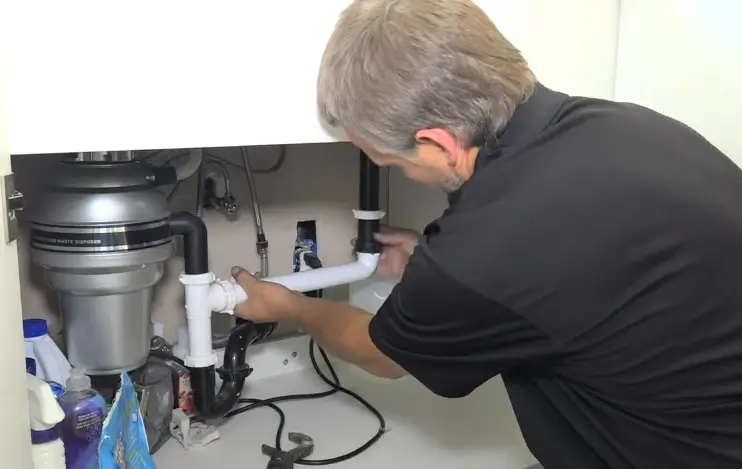
Most single slow drains are fair game for a confident homeowner. A cup plunger handles sink and tub clogs, a flange plunger is shaped for toilets, and an inexpensive hand auger reaches a surprising distance into the pipe. The trouble starts when people keep attacking a main line problem with fixture tools, because no plunger reaches a clog that is fifty feet down the yard. The table below sorts the clogged drains you can take on from the ones worth a call.
| Try It Yourself First | Call Suburban Plumbing |
|---|---|
| A single slow or standing fixture | Two or more fixtures backing up together |
| A shower draining slowly from hair | A clog that keeps coming back after you clear it |
| A kitchen sink with light food buildup | Any sewage smell or water at an outdoor cleanout |
| Minor buildup you can reach with an auger | An older home with aging metal pipes |
Technique matters more than muscle. For a sink or tub, fill the basin with an inch or two of water so the plunger seals, block any overflow with a wet rag, then plunge in firm strokes for fifteen to twenty seconds. For a toilet, use the flange plunger with the same rhythm. If plunging will not do it, feed a hand auger slowly into the drain and turn it steadily so it grabs and pulls the clog out rather than packing it deeper. If the clog is in a kitchen sink, our walkthrough on how to unclog a kitchen sink lays out the order to try things in.
Not sure whether you are facing a quick fix or something deeper? A two minute call to (714) 922-3555 can save you a wasted weekend with a plunger.
Why Plumbers Tell You to Skip Chemical and Homemade Drain Cleaners
The bottle on the store shelf promises an easy fix, but most liquid drain cleaners are built on caustic lye or sulfuric acid, and they work by creating heat. That heat softens plastic pipe, eats at the rubber seals that hold your plumbing together, and corrodes metal. The risk is real for any home, but it is worse in older Orange County houses with galvanized steel pipe, where the walls are already thin. Plumbers regularly pull galvanized sections that repeated chemical dosing has eroded close to failure, which is how a clog that should have cost a couple hundred dollars turns into a whole house repipe.
Chemical cleaners also sit in the trap and give off fumes, and a splash back can burn skin and eyes. Worse, they often do not clear the real clog. They bore a narrow channel through it, the water drains for a day, and the blockage closes right back up while the deeper problem keeps growing.
Homemade mixes are gentler but limited. Baking soda and vinegar fizz nicely and can loosen a light film, but the reaction is mostly spent on contact and rarely moves a true clog. For anything stubborn, a plunger or a hand snake does more, an enzyme based cleaner keeps drains maintained without attacking the pipe, and a professional clears the line without gambling on your plumbing. Reaching for chemicals is the fastest way to turn ordinary clogged pipes into an expensive repair.
How to Prevent Clogged Drains for Good
Clearing a clog is reactive. The cheaper path is to prevent clogged drains before they form, and it comes down to a handful of small habits that keep the worst offenders out of the pipe in the first place. None of these take more than a few seconds a day, and together they head off most of the service calls we run for clogged pipes.
| Habit | Why It Works |
|---|---|
| Put a strainer over every drain | Catches hair and food before they ever reach the pipe |
| Grease goes in the trash, never the sink | Keeps fats from hardening and coating the pipe walls |
| Run cold water with the disposal | Keeps any fats firm so they grind up and flush through |
| Use an enzyme treatment monthly | Eats the organic film inside the pipe without harming it |
| Flush only the three Ps | Pee, paper, and poo break down. Wipes and products do not. |
| Add a water softener if your water is hard | Slows the mineral scale that narrows local pipes over time |
| Schedule a professional cleaning every 18 to 24 months | Clears slow buildup before it stops you cold |
If your home has mature trees within thirty feet of the sewer line, add one more habit: a periodic camera inspection. Roots grow toward the line during the wet months and are the single hardest cause of clogged drains to prevent without professional help. Catching an intrusion early, while it is still a few thin roots, is far cheaper than waiting for the full backup.
Garbage Disposal Do’s and Don’ts
A garbage disposal is one of the most misunderstood fixtures in the house, and misusing it is a quiet source of clogged pipes. The first myth to drop: modern units do not have blades. They use blunt impellers that fling food against a grinding ring, so the old advice about eggshells or ice sharpening the blades is simply wrong. Ice and a few citrus peels are still worth running now and then, but only to knock loose buildup and freshen the smell. Run cold water the whole time the disposal is on, and treat it as a tool for small residual scraps, not a second trash can.
| Safe in Small Amounts | Keep It Out |
|---|---|
| Soft cooked food scraps | Grease, fats, and cooking oil |
| Small citrus peels for odor | Coffee grounds and eggshells |
| Ice cubes to clear buildup | Pasta, rice, and bread, which swell into paste |
| Most soft fruits and vegetables | Celery, corn husks, and other stringy foods |
| Residual bits left on a plate | Bones, nuts, shells, and fruit pits |
What Does Drain Cleaning Cost in Orange County?
Price depends on where the clog is and how the plumber has to reach it. A fixture clog near the drain is quick and inexpensive. A main line clog fifty to a hundred feet out takes heavier equipment and more time, especially if there is no accessible cleanout. The 2026 ranges below reflect typical professional pricing for clogged pipes, with Orange County trending toward the higher end of the scale. A snake punches a path through a clog, while hydro jetting scrubs the full diameter of the pipe and lasts far longer on grease and roots.
| Service | Typical 2026 Cost | Best For |
|---|---|---|
| DIY plunger or hand snake | $10 to $80 | Minor single fixture clogs |
| Professional fixture snaking | $100 to $275 | A stubborn sink, tub, or toilet clog |
| Main line snaking or augering | $150 to $500 | Multiple fixtures and deeper blockages |
| Residential hydro jetting | $350 to $800 | Grease, roots, and recurring clogs |
| Main sewer line hydro jetting | $600 to $1,500 | Heavy root intrusion or full line buildup |
| Sewer camera inspection | $125 to $750 | Pinpointing the cause before any digging |
The cheapest line item of all is prevention, which is why a small standing habit to prevent clogged drains beats an emergency call every time. When you do hire, it pays to know what to ask so you are comparing real quotes and not just headline prices. Our guide to the questions to ask before hiring a plumbing contractor walks through it, and our full drain cleaning services page covers how we diagnose and clear clogged drains start to finish.
When to Call Suburban Plumbing
Call us when more than one fixture backs up at once, when water returns through the lowest drain in the house, when you catch a sewage smell, when a clog keeps coming back, or when your own attempt has not moved it. Those are the signs the clogged pipes are past the trap and into the main line, where the right tools and a camera make the difference between a clean fix and a guess.
Johnnie Maynard has held a California C-36 plumbing license since 2004, and our team has cleared clogged pipes in thousands of Orange County homes, so we know how the local soil, older pipe, and hard water actually behave. If you would rather hand it off, you can reach a licensed plumber near you the same day.
Clogged Pipe You Cannot Clear? We Can.
Fast, honest drain cleaning across Orange County from a licensed local team. Get it diagnosed right the first time.
Clogged Pipe Questions, Answered FAQs
What Orange County homeowners ask before they grab a plunger or pick up the phone
Most clogged pipes come down to the same short list of causes and the same key decision: can you clear it yourself, or is it time to call a pro. The answers below cover what causes clogged pipes, how to tell a local clog from a main line problem, which quick fixes to skip, how to prevent clogged drains, and what the work usually costs in Orange County. If your situation is not on the list, a two minute call gets you a straight answer.
What causes clogged pipes most often?
The most common causes of clogged pipes are hair bound with soap scum in bathrooms, grease and food scraps in kitchens, and tree roots in the main line outside. Almost all of them build on a sticky base layer inside the pipe that catches everything else until the water slows and stops.
How can I prevent clogged drains?
To prevent clogged drains, put a strainer over every drain, pour cooking grease into a can for the trash instead of the sink, run cold water with the disposal, and flush only pee, paper, and poo. A monthly enzyme treatment and a cleaning every 18 to 24 months handle the rest and keep clogged drains from forming.
Are chemical drain cleaners bad for my pipes?
Yes. Most use caustic lye or acid that creates heat, which softens plastic pipe, eats seals, and corrodes metal. In older homes with galvanized pipe they can speed up corrosion fast. They also often miss the real clog, boring a channel that closes right back up within a day or two.
How do I tell a main line clog from a local one?
Use the multi-fixture test. Run the bathroom sink and watch the toilet, then flush and listen to the tub. One slow fixture means a local clog you can usually clear. Two or more acting up together, gurgling, or water rising in odd places means the main line is blocked and needs a pro.
Can baking soda and vinegar unclog a drain?
It can loosen a light film, but not much more. The fizzing reaction is mostly spent the moment the two meet, so it rarely moves a real clog. It is fine as gentle upkeep, but for an actual blockage a plunger or a hand snake does far more without any real risk to your clogged pipes.
Why do my clogged drains keep coming back?
Recurring clogged drains usually mean the sticky base layer was never fully removed, or there is a deeper issue like grease buildup, tree roots, or a sagging pipe. Snaking only punches a hole through the clog, while hydro jetting scrubs the whole pipe wall, which is why it lasts far longer.
Is it safe to put coffee grounds down the garbage disposal?
No. Coffee grounds clump into a dense, sticky sludge that packs the line and builds clogs over time. The same goes for eggshells, grease, pasta, rice, bones, and stringy foods like celery. Keep grounds for compost or the trash, and use the disposal only for small soft scraps, never for items that cause clogged pipes.
How much does it cost to clear clogged pipes in Orange County?
In 2026, expect roughly $100 to $275 to snake a fixture clog, $150 to $500 for a main line, and $350 to $800 for residential hydro jetting, with main sewer jetting higher. A camera inspection runs $125 to $750. Orange County tends toward the higher end of these ranges for clogged pipes.
What should I never flush down the toilet?
Only pee, paper, and poo belong in the toilet. So called flushable wipes do not break down and are a leading cause of clogs, which is why some cities restrict them. Also keep out paper towels, feminine products, cotton swabs, dental floss, and any kind of grease or food waste, all of which cause clogged drains.
Do flushable wipes really cause clogged pipes?
Yes. Despite the label, flushable wipes do not dissolve the way toilet paper does. They snag on rough spots and on each other, then pile up until they choke the line. They are now one of the most common causes of clogged pipes and main line backups, so always put them in the trash.
How often should I have my drains professionally cleaned?
For most homes, a professional cleaning every 18 to 24 months keeps buildup from turning into a backup. If you have mature trees within about thirty feet of the sewer line, schedule a camera check and cleaning more often, since roots grow toward the line and are the hardest clog to prevent.
When should I call a plumber for a clog?
Call when more than one fixture backs up at once, when water returns through the lowest drain, when you smell sewage, when a clog keeps returning, or when your own plunging and snaking have not worked. Those signs point to a main line problem that needs the right tools and a camera.
Request a Quote Now






Midway City Location
Full Service Plumbing Orange County, CA.
Suburban Plumbing
14933 Adams Street
Midway City, CA 92655
(714) 922-3555
or Send Us an Email Here.
Garden Grove Location
Full Service Plumbing Garden Grove, CA.
Suburban Plumbing
10692 Stanford Ave Unit-E
Garden Grove, CA 92840
(714) 823-8736
or Send Us an Email Here.
Hours & License Info
Both Locations:
Monday-Tuesday: 24 Hours
Wednesday-Saturday: 8am to 5pm
Sunday: Closed
Client Emergency Services Available
California Licensed, Bonded, Insured
C36 Plumbing Contractors License 833520
QUICK LINKS
HOME | PLUMBING SERVICES | PLUMBER NEAR ME | REVIEWS | ABOUT | BLOG | COUPONS | CONTACT | SITE MAP
© 2017-2026 SuburbanPlumbingOC.com
– All rights reserved. –
Information on this website may not be re-used without prior written consent from Suburban Plumbing.