Suburban Plumbing Blog
Plumbing Articles from Orange County, CA.
Point of Use Water Heater: What to Know Before Installing One
📅 Updated Aug 25th, 2026
Article-at-a-Glance
- A point of use water heater is a compact unit installed at one fixture, delivering hot water in seconds instead of making it travel from a central tank across the house.
- It supplements your central system rather than replacing it, and installed inline it works as a booster that bridges the wait until the main hot supply arrives.
- Mini-tank models suit sinks and often plug into an outlet, while tankless models handle showers and continuous draws in exchange for dedicated circuits.
- Apartment and condo residents on central boilers can usually add an under-sink unit at their own fixture, with landlord or HOA approval and a proper circuit.
- Units run roughly $150 to $700 at retail in 2026, with installed cost driven mainly by the electrical work each home requires.
- When every fixture waits or hot water runs out entirely, the honest fix is a recirculation pump or a central-system conversation, not a fixture-level unit.
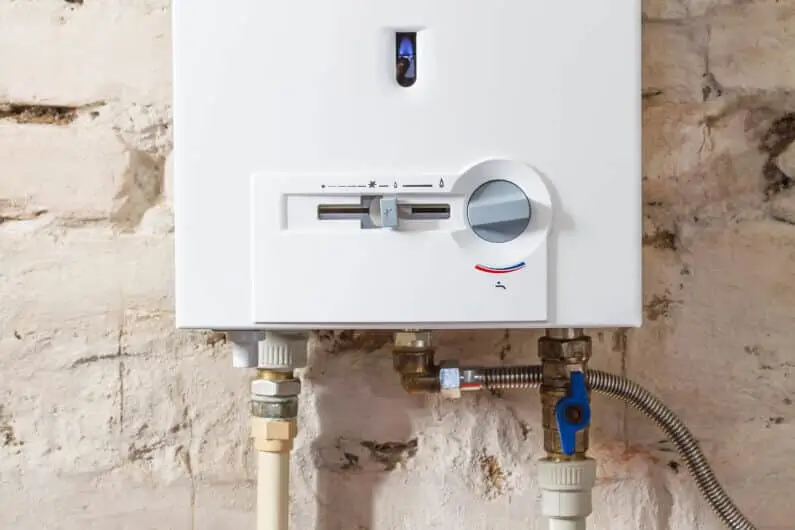
A point of use water heater is a compact unit installed right where hot water is needed, under a sink, beside a shower, or next to a washing machine, so hot water arrives in seconds instead of traveling from a central tank across the house. For far-off bathrooms, garage additions, and fixtures that take a full minute to run warm, a point of use water heater ends both the wait and the water wasted during it. This guide covers how the units work, what they cost to buy and run, how they pair with the central system you already have, and the situations where one is honestly the wrong tool.
What Is a Point of Use Water Heater?
The name says it plainly: a point of use water heater serves one point of use rather than the whole house. Instead of one large central unit pushing hot water through long pipe runs, a small dedicated unit sits within a few feet of a single fixture, in the cabinet under a sink, on the wall beside a shower, or in a laundry closet, and heats only the water that fixture needs. Because the water travels a few feet instead of fifty, it arrives hot almost instantly, and none of it sits cooling in a long pipe between uses.
These units are almost always electric, which is part of their appeal: no gas line, no venting, no flue, just a water connection and a circuit. Gas-fired versions exist but are uncommon in homes, since the gas and venting requirements erase most of the simplicity that makes the category attractive. In practice, when Orange County homeowners ask us about a point of use water heater, they are asking about a small electric unit, and that is what this guide focuses on.
The Two Formats: Mini-Tank and Tankless
Every point of use water heater is one of two designs, and the right pick depends on the job you are hiring it for.
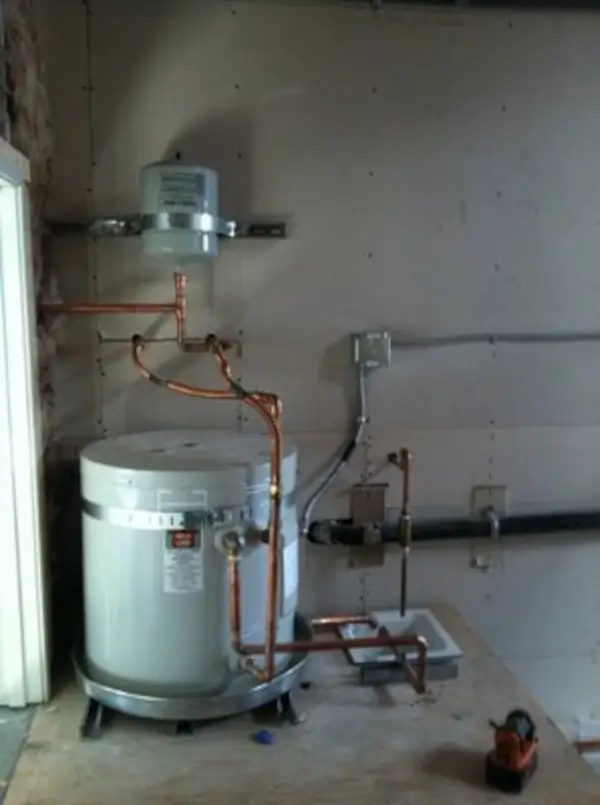
The mini-tank point of use water heater is a shrunken version of a conventional unit: a small insulated tank, usually 2.5 to 20 gallons, that keeps its water hot and ready. The small sizes fit inside a sink cabinet, many plug into a standard outlet, and recovery is quick because the volume is small. An under sink water heater in this format is the classic solution for the powder room or kitchen sink at the far end of the house: modest demand, instant delivery, minimal electrical work.
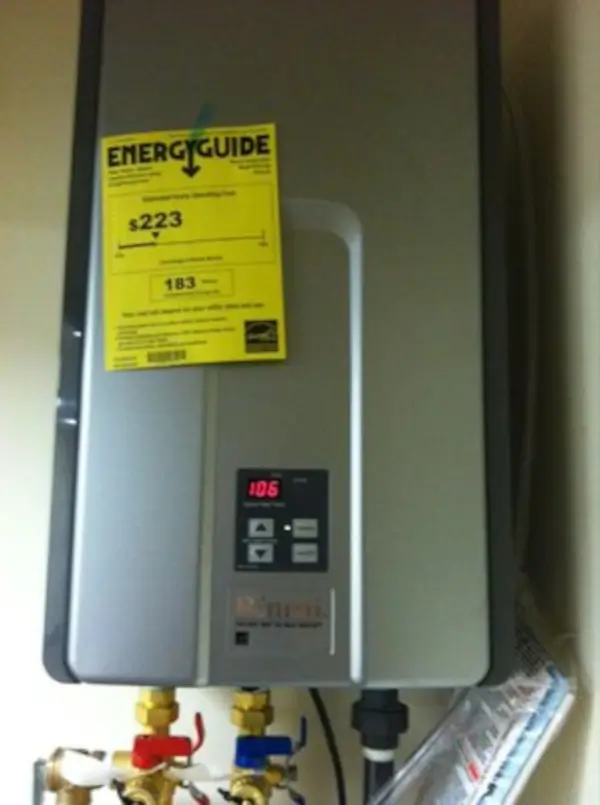
The tankless format heats water as it flows, with no storage at all. A tankless point of use water heater delivers a continuous supply rather than a fixed tankful, which suits a shower or a fixture with longer draws. The tradeoff is electrical appetite: heating water instantly takes serious wattage, so the larger tankless units require dedicated high-amperage circuits rather than a plug, and that electrical work is a real part of the project. Small handwash-only tankless models are gentler on the panel but are sized for exactly that, handwashing.
The shorthand we give homeowners: mini-tank for sinks and modest demand with easy installation, tankless point of use water heater for showers and continuous draws with more electrical planning. Both count as an instant hot water heater from where you stand at the faucet; they just get there differently.
Where a Point of Use Water Heater Makes the Biggest Difference
The category exists because central water heating has a geometry problem: the farther a fixture sits from the tank, the longer the wait and the more water runs down the drain cold. A point of use water heater attacks exactly that, which makes some homes and some fixtures obvious candidates.
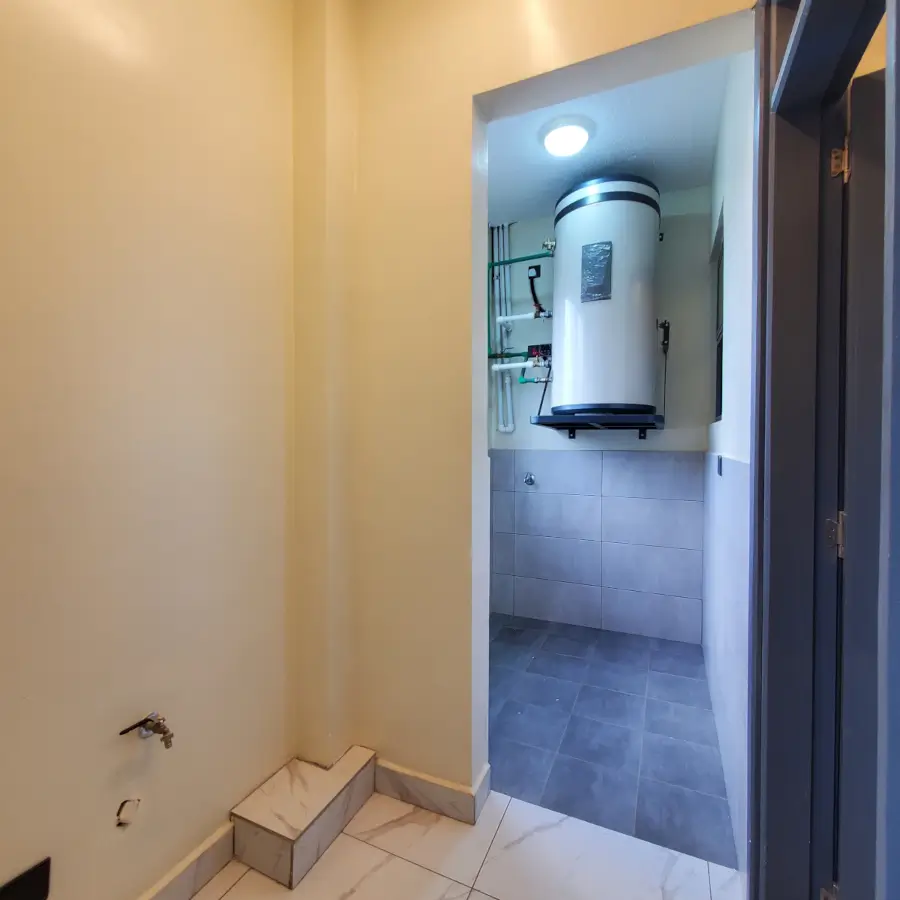
The far bathroom is the classic case for a point of use water heater, the primary suite added over the garage or the bath at the opposite end of a ranch layout, where the shower takes a minute to warm every single morning. Garage workshops, outdoor sinks, and casitas are natural fits because running new hot-side plumbing from the house costs far more than mounting a small unit where the water is used.
The daily-use fixtures earn their keep fastest. Laundry areas benefit when the washer sits far from the tank and warm-wash cycles start cold. And the under sink water heater earns its keep at any kitchen or bar sink where you rinse, wash hands, and wait, a dozen times a day.
Rental units and accessory dwellings deserve a mention too: an under sink water heater or small dedicated unit can give an ADU its own instant hot water heater at one or two fixtures without re-engineering the main house’s system, though permits and sizing still apply like anywhere else.
Which Setup Fits Your Situation
The honest recommendation depends on what problem you are actually solving, so here is the decision the way we walk homeowners through it.
Your Situation vs. The Honest Fit
Adding One to a Home or Apartment With a Central System
This is the most common question we get about the category, including in the comments on this very post, so let us answer it thoroughly: yes, a point of use water heater is designed to supplement a central system, not replace it. The central unit keeps doing the heavy lifting for the whole house; the small unit fixes the wait at the one fixture where the wait is worst.
There are two ways to connect one, and the choice matters. Installed standalone on the cold line, the unit handles that fixture entirely by itself, which is the simple approach for a handwash sink. Installed inline on the hot line, the unit acts as a booster: it delivers instant heat the moment you open the tap, and as the central system’s hot water finally arrives, the small unit throttles back and lets the main supply take over. The inline approach is the answer to the reader who asked about hooking the outlet side to the main hot supply.
Inline is the right configuration for fixtures with longer draws, because the instant hot water heater only has to bridge the wait, not carry the whole load, and the central system still does what it was sized to do.
For apartment and condo residents on a central boiler, an under sink water heater at your kitchen sink is usually very doable, and it behaves as a true instant hot water heater at that one fixture: it connects at your fixture, touches nothing in the building’s system beyond that point, and ends the multi-minute wait that central-boiler buildings are famous for. Renters need the landlord’s written OK, condo owners should check HOA rules, and in either case the unit needs a proper circuit and a licensed installation, but the plumbing itself is refreshingly contained.
And for the reader with a cold-water-only outbuilding asking whether the shower and sink each need their own unit: usually yes, one appropriately sized unit per fixture.
The alternative is a single larger tankless point of use water heater sized to serve both, workable when the fixtures sit close together and rarely run at the same moment. That sizing call is exactly what a quick site visit settles.
Sizing, Circuits, and What Installation Involves
The plumbing side of a point of use water heater installation is genuinely simple, a cold feed, a connection to the fixture, and a relief valve where the format requires one. The electrical side is where the planning lives, and it is the part homeowners most often underestimate.
Small mini-tanks frequently plug into a standard 120-volt outlet, provided a properly protected outlet exists where you need it, which under a sink it often does not. Larger mini-tanks and every serious tankless point of use water heater want dedicated circuits, and the whole-bathroom tankless class draws enough amperage that panel capacity becomes part of the conversation. None of this is a reason to skip the project; it is the reason the honest quote includes an electrical assessment, and why the same point of use water heater can be a simple afternoon install in one house and a fuller project in another.
Permits are the other constant. They apply to water heater installations of every size in Orange County cities, an under sink water heater included, and the inspection protects you the same way it does on a full-size tank.
Sizing is the other judgment call: gallons for a mini-tank, flow rate for tankless, matched to what the fixture actually does. Oversizing wastes money twice, once at purchase and once every month; undersizing means lukewarm disappointment. It is a five-minute calculation for someone who does it weekly, and a coin flip for someone guessing off a box label.
What a Point of Use Water Heater Costs
The good news first: this is the least expensive corner of the water heating world. In the 2026 market, a mini-tank or under sink water heater typically runs about $150 to $500 at retail depending on capacity, and a tankless point of use water heater runs roughly $150 to $700, with the whole-bathroom class costing more. Installed cost adds the plumbing connection and whatever electrical work your situation requires, which is why identical units can carry different installed totals in different homes. Treat those figures as honest market ranges rather than quotes; the electrical variable is real, and it is the piece nobody can price sight unseen.
Operating cost is where the category quietly shines. A small unit heating small volumes at the fixture wastes almost nothing: no fifty-gallon tank held hot around the clock, no hot water abandoned in a long pipe run after every use. The yellow EnergyGuide label on any new unit estimates its yearly operating cost in actual dollars, which makes comparing models refreshingly concrete. Since these are electric units, it is also worth a look at Southern California Edison’s rebate programs when you shop, as efficiency incentives come and go and occasionally cover more than you would expect.
And if the math conversation has you weighing something bigger than a single fixture, whether the whole system is due for replacement rather than a supplement, our guide to water heater installation cost covers the 2026 numbers for tank and tankless systems and the repair-or-replace decision in full.
When a Point of Use Water Heater Is the Wrong Answer
Honesty section, because a company that sells you the wrong instant hot water heater earns the right to never sell you anything again. If every fixture in the house waits for hot water, the problem is the system’s geometry, and a hot water recirculation pump on the central unit fixes the whole house at once for less than a fleet of point of use water heater installs. If the complaint is running out of hot water rather than waiting for it, that is a capacity problem, and no fixture-level unit touches it.
Two more mismatches round out the list. If the water arrives hot but weak, that is a pressure or piping issue wearing a hot water costume.
And if the central unit is failing anyway, put the money into the real fix first. A point of use water heater supplements a healthy system rather than compensating for a dying one, and no instant hot water heater at a sink rescues a tank that is done.
When one of those is your actual situation, we will say so, show you why, and quote the right fix instead. The small unit is a great tool. It is just not every tool.
Getting Yours Installed
A point of use water heater is a small project that still deserves real workmanship: correct sizing, a safe circuit, a code-compliant connection, and a permit where required, which in Orange County is everywhere. Suburban Plumbing has handled water heater installation of every size across Orange County since 2004.
The company is led by Master Plumber Johnnie Maynard, who brings more than 30 years of personal trade experience, and we are California licensed (C-36 License #833520), bonded, and insured. We answer the phone 24/7 and never charge extra for nights or weekends.
We quote exact flat-rate prices before any work begins, on a two-gallon under-sink unit just as readily as a whole-house system through our plumbing services.
Tired of Waiting on Hot Water?
Honest sizing, safe installation, and flat-rate pricing on point of use and whole-home water heaters. Serving all of Orange County 24/7 since 2004.
Point of Use Water Heater Questions, Answered
Straight answers to what Orange County homeowners and apartment residents ask about point of use water heaters, including the questions readers have left in the comments below.
What is a point of use water heater used for?
It serves one fixture instead of the whole house: a far-off sink, a distant shower, a garage workshop, or a laundry area where hot water takes forever to arrive from the central tank. Mounted within a few feet of the fixture, it delivers hot water in seconds and wastes nothing in long pipe runs.
Does a point of use water heater replace my main water heater?
No, it supplements it. The central system keeps serving the whole house while the small unit fixes the wait at one fixture. Installed inline on the hot line, it can even work as a booster, covering the gap until the central supply arrives and then letting the main system carry the load.
Can I install one in an apartment with a central boiler?
Usually yes. An under sink water heater connects at your fixture and touches nothing in the building’s system beyond that point, ending the long wait central-boiler buildings are known for. Renters need written landlord approval, condo owners should check HOA rules, and the unit needs a proper circuit.
How much does a point of use water heater cost?
Mini-tank units typically run about $150 to $500 at retail and tankless models roughly $150 to $700, with whole-bathroom tankless units costing more. Installed totals vary mainly with electrical work, since some units plug into an outlet while others need dedicated circuits, so quotes require a look at your setup.
Do point of use water heaters use a lot of electricity?
Less than people expect. A small unit heats small volumes right at the fixture, with no big tank held hot around the clock and no hot water abandoned in long pipes after each use. Check the yellow EnergyGuide label, which estimates yearly operating cost in dollars, when comparing specific models.
What size point of use water heater do I need?
Match the unit to the fixture’s actual job: gallons for a mini-tank, flow rate for tankless. A 2.5-gallon under-sink unit handles a powder room easily, while a shower needs a properly sized tankless with real circuit capacity. Oversizing wastes money monthly; undersizing means lukewarm water.
Mini-tank or tankless: which point of use format is better?
Mini-tank wins for sinks and modest demand, since many models plug in and fit inside a cabinet. Tankless wins for showers and continuous draws, delivering unlimited hot water in exchange for dedicated high-amperage circuits. The fixture you are solving for decides the format, not the marketing.
Can one unit serve a shower and a sink in the same bathroom?
Sometimes. A single tankless unit sized for the combined flow can serve both if they are close together and rarely run at the same moment, while heavy simultaneous use argues for one unit per fixture. It is a sizing calculation based on flow rates, and exactly what a quick site visit settles.
Do I need a permit for a small water heater in Orange County?
Yes. Orange County cities require permits for water heater installations of every size, small units included, and the inspection verifies the circuit, connections, and relief protection that keep a heating appliance safe. A modest fee, and skipping it surfaces later in home sales and insurance claims.
When is a point of use water heater the wrong choice?
When every fixture in the house waits, a recirculation pump fixes the whole home for less. When hot water runs out rather than arrives late, that is central capacity. And when the main unit is failing, fix that first, because a fixture-level unit supplements a healthy system, not a dying one.
3 Comments
Submit a Comment
Request a Quote Now






Midway City Location
Full Service Plumbing Orange County, CA.
Suburban Plumbing
14933 Adams Street
Midway City, CA 92655
(714) 922-3555
or Send Us an Email Here.
Garden Grove Location
Full Service Plumbing Garden Grove, CA.
Suburban Plumbing
10692 Stanford Ave Unit-E
Garden Grove, CA 92840
(714) 823-8736
or Send Us an Email Here.
Hours & License Info
Both Locations:
Monday-Tuesday: 24 Hours
Wednesday-Saturday: 8am to 5pm
Sunday: Closed
Client Emergency Services Available
California Licensed, Bonded, Insured
C36 Plumbing Contractors License 833520
QUICK LINKS
HOME | PLUMBING SERVICES | PLUMBER NEAR ME | REVIEWS | ABOUT | BLOG | COUPONS | CONTACT | SITE MAP
© 2017-2026 SuburbanPlumbingOC.com
– All rights reserved. –
Information on this website may not be re-used without prior written consent from Suburban Plumbing.
Do I need to install a unit on my shower and another one on my sink in the same bathroom? The bathroom is in a building far from the main house and currently only has cold water available.
Do I hook the outlet (hot) side in-line with the main hot water coming from the primary hot water heater?
would this also work in an apartment building where there is a central hot water system. I takes sooo long for hot water to reach our apartment. I am interested in installing one in the kitchen.